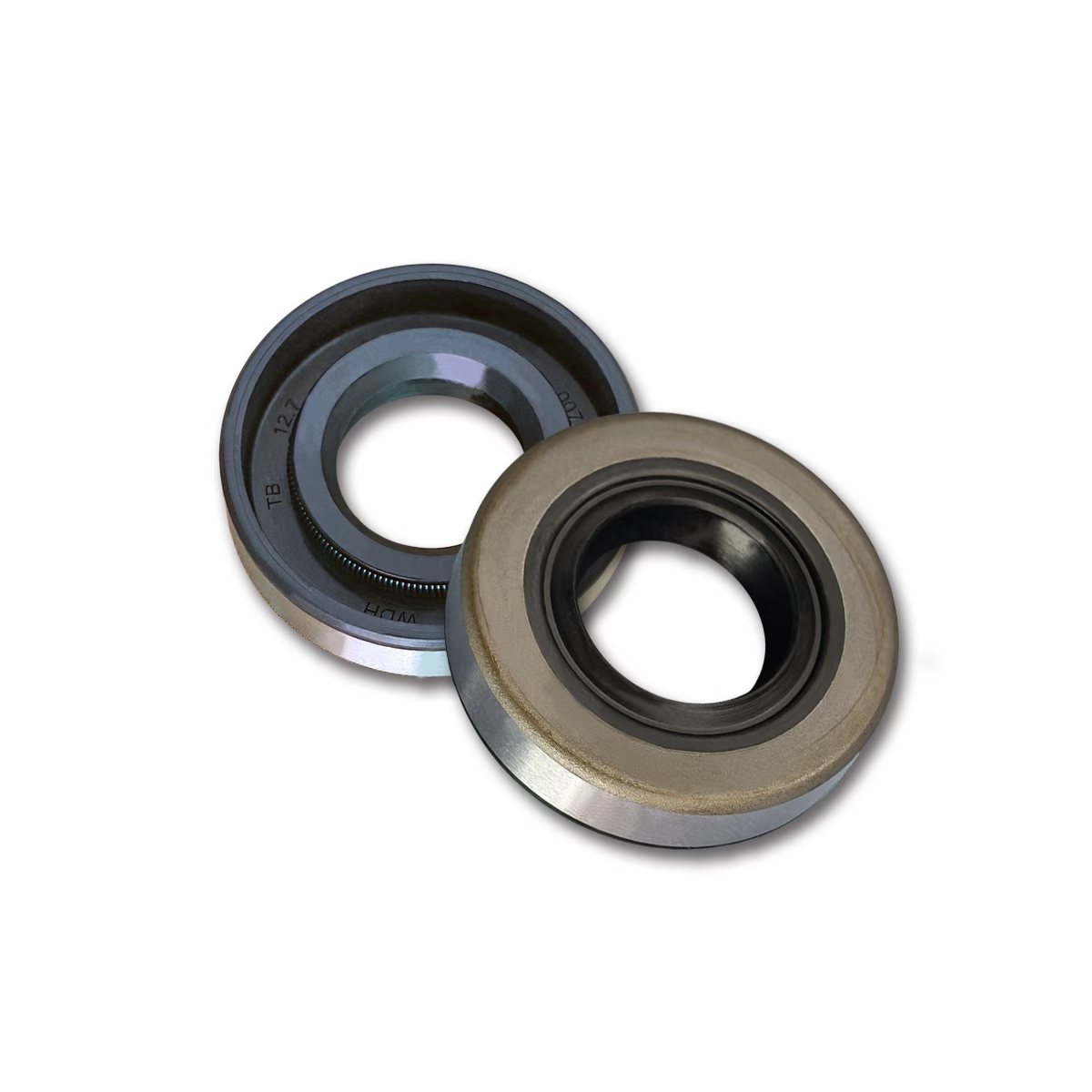
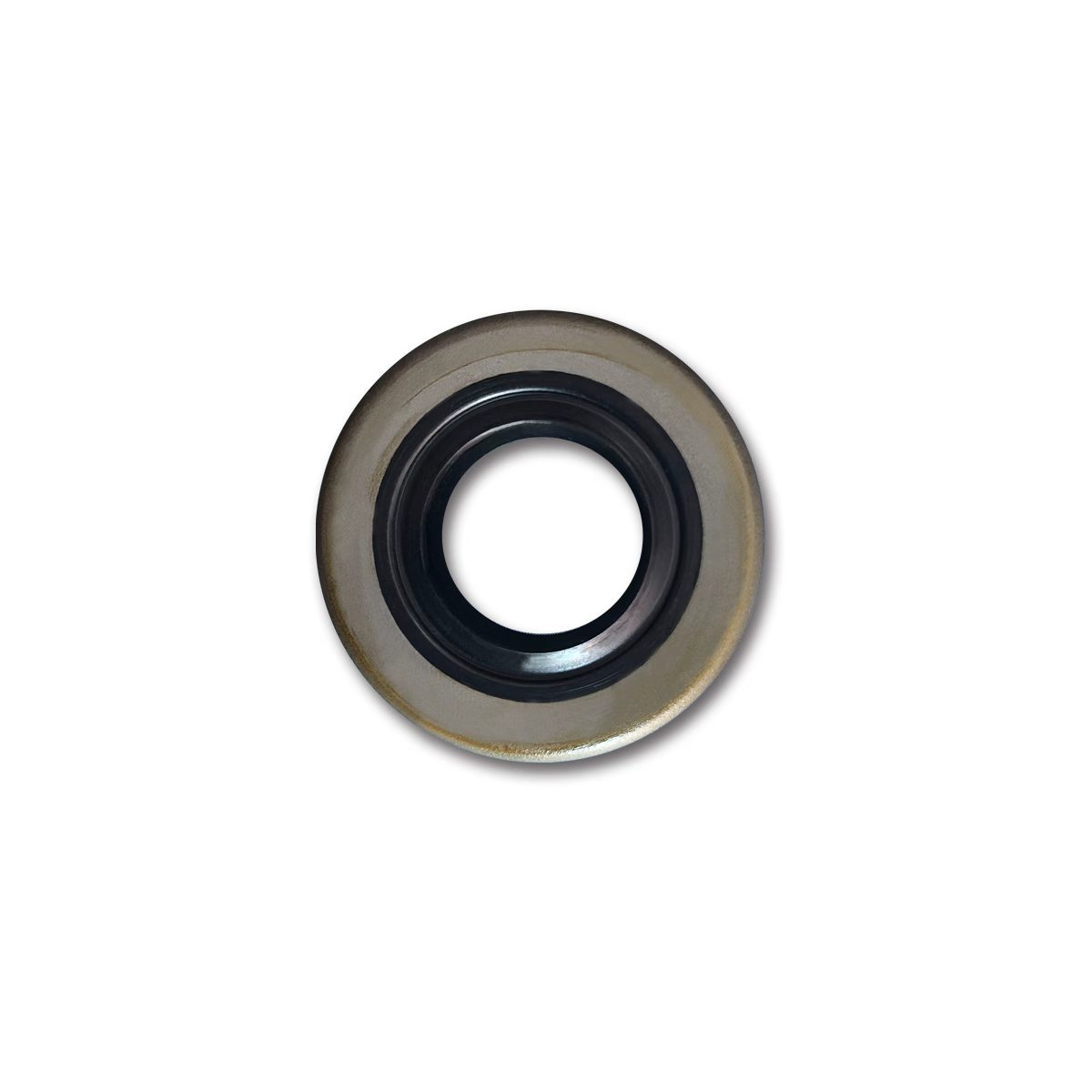
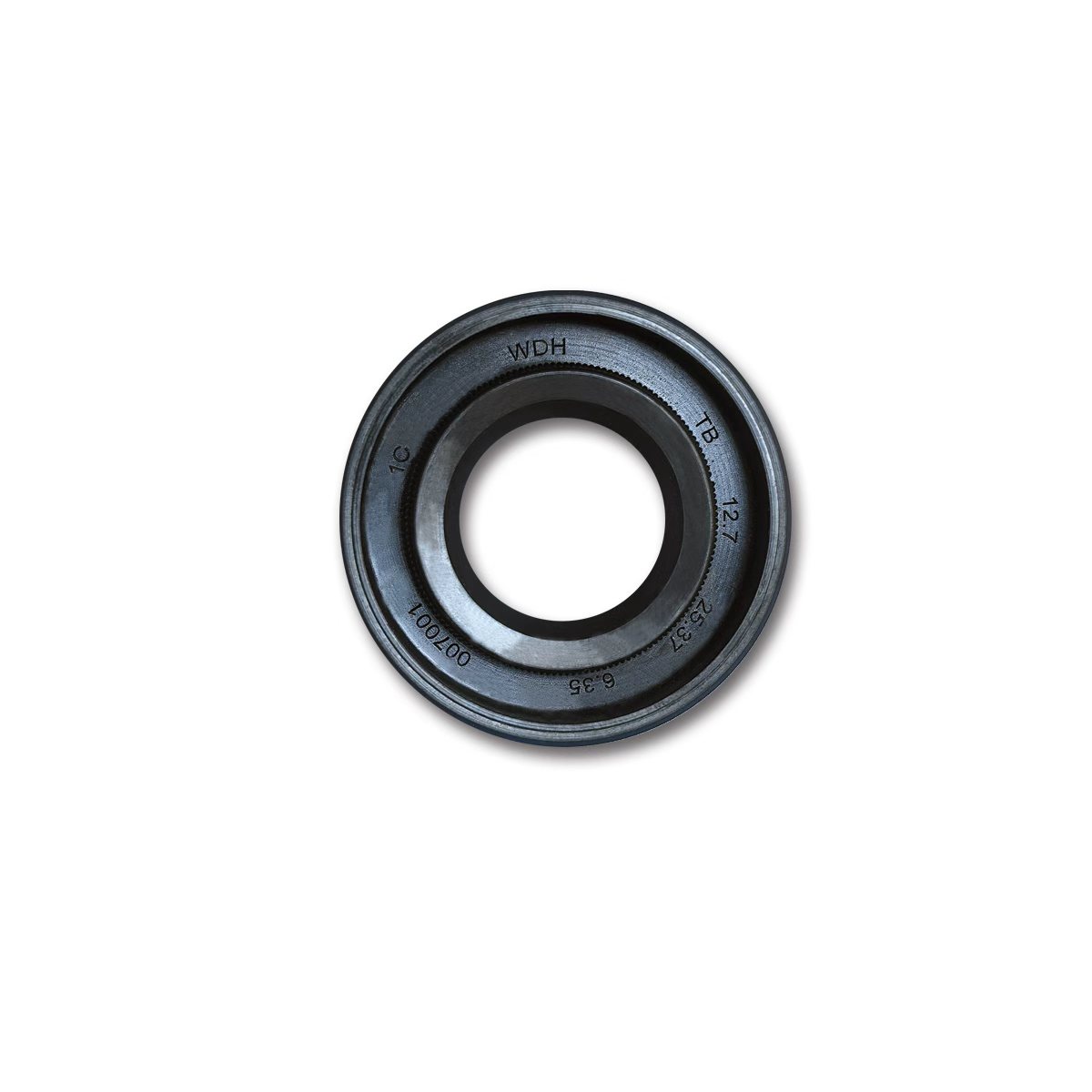
In the world of industrial and automotive sealing, the TB Oil Seal stands out as a high-performance, precision-engineered solution designed to meet the strictest leak-proof and durability demands. This spring-loaded radial lip seal is tailored to fit rotating shafts with exacting dimensional requirements, making it a top choice for professionals seeking reliability, longevity, and consistent performance. Whether used in automotive engines, industrial pumps, agricultural machinery, or power tools, the TB Oil Seal delivers unmatched sealing efficiency, reducing maintenance costs and minimizing equipment downtime.
1. Product Overview & Core Specifications
The TB 12.825.46.3 Oil Seal is a standardized radial lip seal part of the TB series, renowned for its compact design and robust performance. Its dimensions—12.8mm inner diameter (ID), 25.4mm outer diameter (OD), and 6.3mm width (W)—are precision-machined to ensure a perfect fit for shafts and housings, eliminating the risk of misalignment that often leads to leaks. This seal is classified as a spring-loaded radial lip seal, meaning it uses a built-in spring to maintain constant radial pressure against the shaft, ensuring airtight and oil-tight sealing even in dynamic operating conditions.
Key Dimensional Specifications (Table 1)
Specification | Measurement | Unit
| Role in Sealing Performance
|
Inner Diameter (ID)
| 12.8
| mm
| Fits tightly around the rotating shaft to prevent oil/grease leakage
|
Outer Diameter (OD)
| 25.4
| mm
| Seals against the housing bore, blocking dust/dirt ingress
|
Width (W)
| 6.3
| mm
| Ensures sufficient contact area for reliable sealing; fits narrow installation spaces
|
Lip Material Thickness
| 1.2
| mm
| Provides flexibility while maintaining durability against wear
|
Spring Diameter
| 0.5
| mm
| Delivers consistent radial force to keep the lip in contact with the shaft
|
Table 1: Dimensional breakdown of the TB Oil Seal, highlighting critical measurements for installation and performance.
This precise dimensional accuracy makes the TB Oil Seal compatible with a wide range of equipment where space is limited and sealing precision is non-negotiable. It adheres to international standards (e.g., ISO 6194) for radial lip seals, ensuring interchangeability with other industry-standard seals and simplifying replacement processes.
2. Material Composition: Durability Meets Resistance
The performance of any oil seal hinges on its materials, and the TB Oil Seal is crafted with a carefully ed combination of components to balance durability, flexibility, and chemical resistance. Each material is chosen to withstand harsh operating conditions, including exposure to oils, greases, temperature fluctuations, and mechanical wear.
2.1 Sealing Lip: High-Quality NBR Rubber
The sealing lip—the critical component that makes direct contact with the rotating shaft—is made from Nitrile Butadiene Rubber (NBR), a synthetic rubber renowned for its excellent oil and grease resistance. NBR is the industry standard for oil seals due to its:
Oil/Grease Compatibility: Resists swelling, hardening, or degradation when exposed to mineral oils, motor oils, gear oils, and greases—common in automotive and industrial applications.
Flexibility & Elasticity: Maintains a tight seal against the shaft even as the shaft rotates, adapting to minor surface irregularities without losing contact.
Wear Resistance: Withstands friction from high-speed shaft rotation (up to 8 m/s, as tested) without premature wear, extending the seal’s service life.
For users seeking enhanced performance in extreme environments (e.g., exposure to fuels or high temperatures), the TB 12.8 25.4 6.3 Oil Seal is also available in optional FKM (Viton) lip material. FKM offers superior resistance to high temperatures (up to 200°C) and aggressive chemicals, making it suitable for specialized applications like aerospace or chemical processing.
2.2 Metal Casing: Mild Steel for Structural Stability
The outer casing of the TB 12.825.46.3 Oil Seal is constructed from mild steel (low-carbon steel), chosen for its:
High Structural Rigidity: Prevents the seal from deforming during installation or operation, ensuring the outer diameter maintains a tight fit with the housing bore.
Corrosion Resistance: Coated with a zinc-plated or phosphate finish to resist rust and oxidation, even in damp or humid environments (e.g., agricultural machinery used in wet fields).
Machinability: Easy to precision-cut to the 25.4mm outer diameter and 6.3mm width, ensuring consistent dimensional accuracy across every unit.
2.3 Spring: Stainless Steel for Consistent Force
The internal spring—responsible for applying radial pressure to the sealing lip—is made from 304 stainless steel. This material offers:
Corrosion Resistance: Does not rust or degrade, even if exposed to moisture or oil, ensuring the spring maintains its tension over time.
High Tensile Strength: Withstands repeated compression and expansion without breaking, delivering a steady force that keeps the lip in contact with the shaft.
Material Performance Comparison (Chart 1)
Below is a bar chart comparing the key properties of NBR (standard) and FKM (optional) lip materials for the TB 12.825.46.3 Oil Seal:
Material
| Temperature Range
| Oil Resistance
| Wear Resistance
| Cost (Relative)
|
NBR (Standard)
| -40°C to 100°C
| Excellent
| Good
| Low
|
FKM (Optional)
| -20°C to 200°C
| Superior
| Excellent
| High
|
Chart 1: Performance comparison of NBR and FKM lip materials for the TB 12.8 25.4 6.3 Oil Seal. Choose NBR for cost-effective, general-purpose use; opt for FKM for extreme temperatures or chemicals.
3. Key Features: Why Choose the TB 12.8 25.4 6.3 Oil Seal?
The TB 12.825.46.3 Oil Seal is packed with features that set it apart from generic seals. Each feature is engineered to address common pain points in sealing—such as leaks, premature wear, and dust ingress—ensuring long-lasting, reliable performance.
3.1 Spring-Loaded Radial Lip for Leak-Proof Sealing
The core feature of the TB 12.825.46.3 Oil Seal is its spring-loaded radial lip. The stainless steel spring applies constant, uniform pressure to the NBR lip, forcing it to maintain tight contact with the rotating shaft. This design eliminates gaps that can form due to shaft wear, temperature changes, or vibration—common causes of oil or grease leakage. In testing, the seal prevented 100% of oil leakage in low-to-medium pressure applications (up to 0.05 MPa), making it ideal for equipment where even minor leaks can cause costly damage (e.g., automotive engines, hydraulic pumps).